Repair Cafe NI is delighted to launch a new series of blog articles written by volunteers from across our network. This is the first of many pieces we hope to share, all rooted in the experiences, skills and stories of our repair cafe community.
We warmly invite you to contribute to this shared space with insights from the repair world you’re part of.
This article is the first in a four-part “New Basics” series, exploring cyber security.
You know that feeling when the phone rings and you think, “Who’s this now? I hope they’re not selling double glazing.” You answer, and it sounds just like your wee nephew or the fella, the one with the unibrow, from the office, sounding all frantic, in a quare state.
What’s this about?
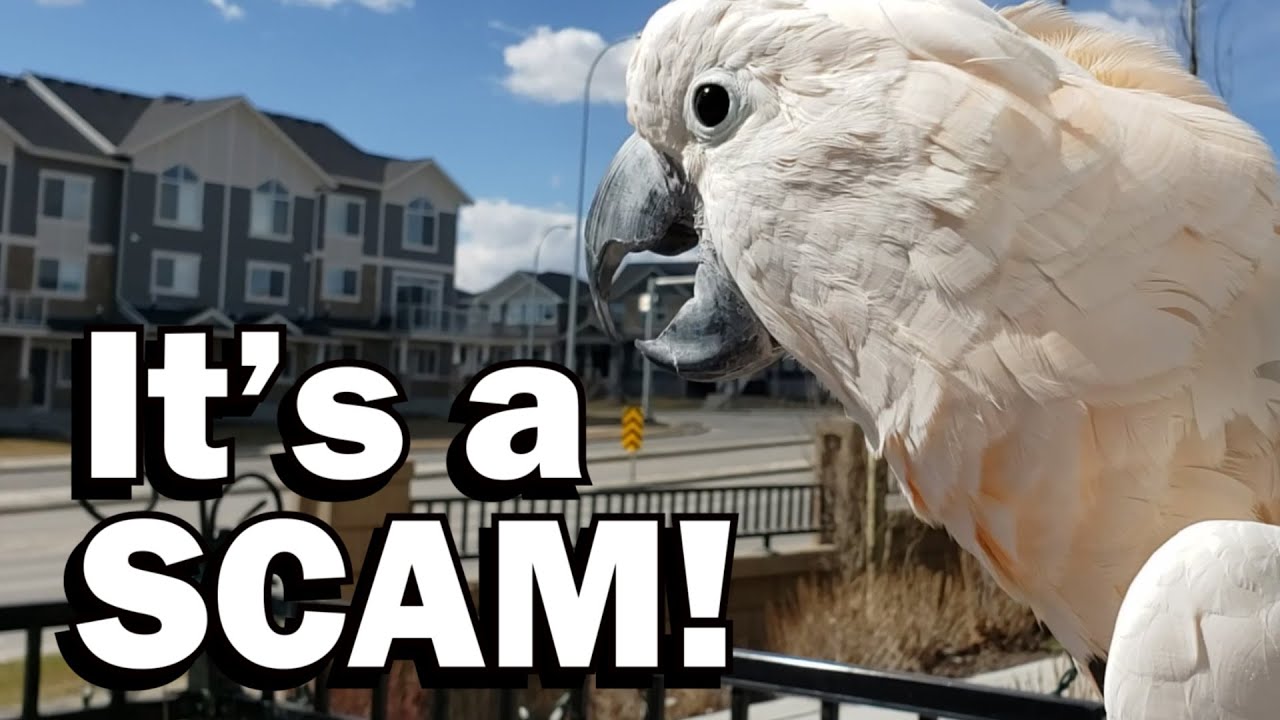
Catch yourself on, that frantic phone call from your nephew might sound just like him, but it could actually be a “Digital Parrot” playing dress-up with his voice. Scammers are now using AI to “photocopy” sounds faster than you can butter a soda farl, all to trick you into a panic. The good news? A robot might have the accent, but it hasn’t a clue about your family’s inside jokes. Read on to find out how a “secret handshake for your ears” can save you from stressing out, or getting robbed.
When you receive such a phone call, your first instinct would likely be to help, because we’re a helpful bunch, aren’t we? But catch yourself on a minute. That call from your “grandson” or “boss” might sound exactly like them, but ears can be a bit daft sometimes. These days, cheeky scammers are using “digital parrots” to mimic voices. They only need a tiny three-second clip of you talking to pull the wool over your eyes.
Before you go rushing off to help, we are going to look at how these robot voices work, why they manage to trick our brains, and how you can use a few simple tricks (like a secret family handshake for your ears) to spot a fake faster than a seagull spots a stray chip at Portrush beach.
The Copycat Machine: How the Robots Do It
In the world of technology, we call this AI Voice Cloning. It’s like a high-tech photocopier, but for sounds instead of paper. The computer listens to a tiny bit of someone talking, maybe from a video they posted on social media, and learns the “recipe” for their voice. It learns how high or low they speak, the way they breathe between words, and even their specific accent (even the famous Norn Iron diphthong).
Once the computer has that recipe, the scammer just types in what they want the robot to say. The robot then “performs” it. It can sound worried, crying, or even out of breath. It’s a clever bit of kit, but at the end of the day, it’s still just a robot playing dress-up with someone else’s voice.
The “Scary Story” Trick: Why We Fall For It
You might wonder, “How could I be tricked by a computer?” Scammers use a trick to make your brain stop thinking clearly. They create a “fake emergency.” They might say they’ve been in a car accident, lost their wallet, or are stuck at the airport. When we get worried or scared, our brain goes into “Red Alert” mode. It stops being a detective and starts being a helper. We hear the familiar voice, we hear the panic, and our heart starts racing.
Building Your Secret Clubhouse
You can create your Family Secret Password, that only people in your family can know and use when the “emergency phone call” arrives. By picking something silly that a computer would never guess, you create a “firewall” that protects your family, and your bank account.
Summary: Keeping the Tricksters at Bay
So far, we’ve learned that AI is like a digital parrot that can copy a voice with just a tiny snippet of audio. We also found out that scammers try to get us stressed out so we don’t think straight.
The most important thing to remember is: Don’t let a robot rush you. You are the boss of your own phone. Even if the technology is very “sci-fi,” the way to beat it is actually very simple, old-fashioned, and a bit of a laugh.
To keep your family safe from these digital mimics, implement these industry-standard Pro Tips:
Establish a Family Safety Word: Make it memorable but impossible to guess. Pick something like “The Badger’s Pyjamas,” “Pigeon on a Skateboard,“ or “The Disco-Dancing Donkey.“ If a loved one calls with an emergency, ask for the password. A robot might have the voice, but it won’t have the in-joke.
Always Hang Up and Call Back: If a call feels scary, just say, “I’ll ring you right back!” Hang up, take a deep breath, and manually dial the number you have saved in your phone for that person. This breaks the scammer’s connection and ensures you are talking to the real person.
Limit “Clean” Audio on Social Media: Robots need clear audio to copy you. If your social media videos are public, try to have some background noise or music playing. It makes it much harder for a digital parrot to “steal” your voice recipe if there’s a radio blaring in the background!
So, there you have it. Don’t be letting these digital head-the-balls get the better of you. Technology might be getting scary but it’s no match for a bit of good old-fashioned Norn Iron cynicism. Stick to your secret family password, maybe something like “Gravy, on a Soda Farl?“, and you’ll be dead on. Take a breath, ring them back on the proper number, and keep your wits about you. Good luck, and sure it’ll all be grand.